Duty of Care on Private Land
The Visitor’s Status: Invitee vs. Licensee
In many jurisdictions, the level of care a property owner owes you depends on your legal status at the time of the accident.
- Invitee: Someone invited for business purposes (like a contractor). Owners owe them the highest duty of care, including inspecting for hidden dangers.
- Licensee: A social guest (friends or family). The owner must warn them of known dangerous conditions that are not obvious, but they generally aren’t required to “inspect” the property before you arrive.
- Trespasser: Someone on the property without permission. Generally, owners owe no duty of care, except they cannot intentionally set traps or harm them.
The “Reasonable Person” Standard:
In modern 2026 litigation, many states have moved toward a general “Reasonableness” standard. A judge or jury will ask: “Would a reasonable homeowner have fixed that loose porch board or cleaned that grease spill before a guest arrived?”
Common Hazards in Private Premises Claims
Private property accidents are rarely caused by “wet floor” signs being absent. Instead, they stem from domestic hazards that go unnoticed by residents who have grown accustomed to them:
- Poor Lighting: Dark stairwells or unlit walkways that obscure tripping hazards.
- Defective Flooring: Torn carpeting, loose floorboards, or area rugs without non-slip backing.
- Structural Negligence: Broken handrails on stairs or rotted decking that collapses under weight.
- Environmental Factors: Accumulation of ice on driveways or leaves on a walkway that the owner failed to clear within a reasonable timeframe.
The Role of Homeowners Insurance
One of the biggest hurdles in private property claims is the social discomfort of “suing a friend.” It is critical to understand that a premises liability claim is almost always a claim against the Homeowners Insurance Policy, not the individual’s personal bank account.
In 2026, most policies include “Medical Payments” (MedPay) coverage, which can pay for initial doctor visits regardless of who was at fault. However, if the injury is severe—requiring surgery or leading to long-term disability—the “Liability” portion of the policy becomes the focus. This requires proving that the owner was negligent.
Proving Knowledge: Actual vs. Constructive Notice
To win a slip and fall case, you must prove the owner knew (or should have known) about the danger.
- Actual Notice: The owner was aware of the hazard (e.g., they knew the roof leaked onto the kitchen tile every time it rained).
- Constructive Notice: The hazard existed for such a long time that the owner *should* have discovered and fixed it in the exercise of ordinary care.
Defenses: The “Open and Obvious” Doctrine
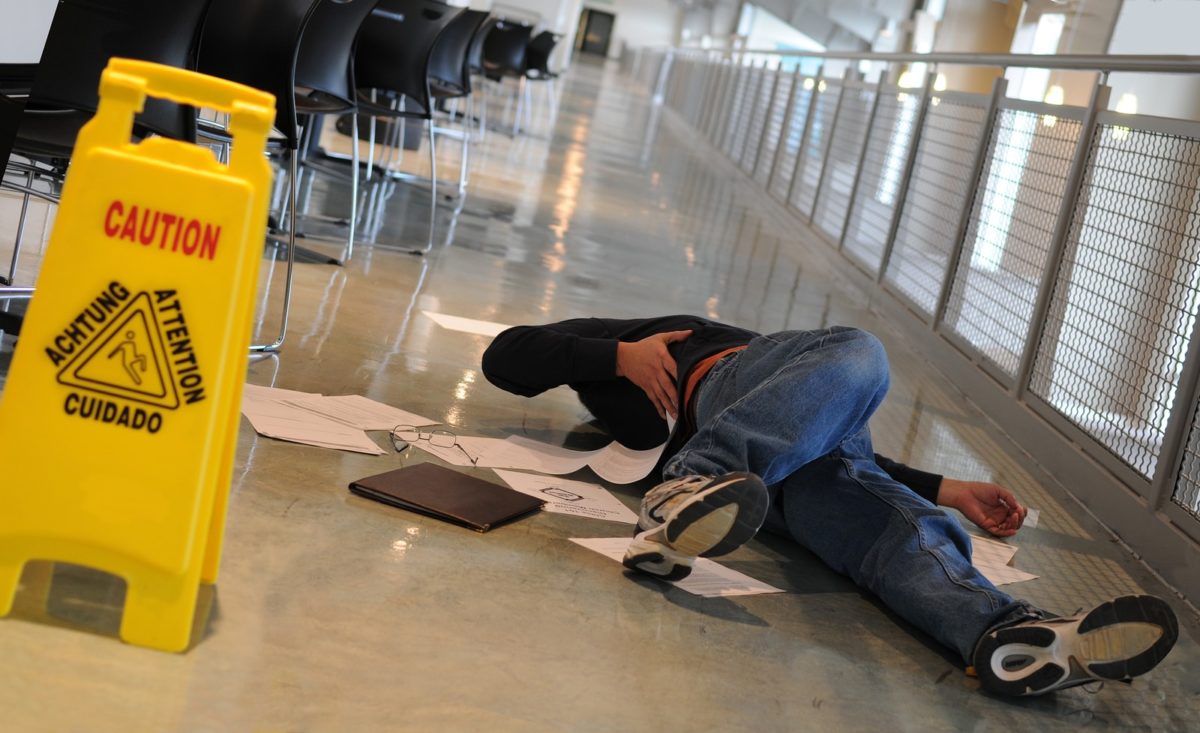
Property owners and their insurers frequently use the Open and Obvious defense. They argue that the hazard was so visible that a reasonable guest should have seen and avoided it. If a guest trips over a large, bright blue garden hose in the middle of a sunny lawn, the owner may not be held liable, as the “danger” was apparent to anyone paying attention.
Conclusion: Seeking Accountability Without Animosity
In conclusion, premises liability on private property is a balancing act between hospitality and safety. While homeowners are not expected to provide a “perfectly” safe environment, they are legally obligated to address foreseeable risks.
For those injured on private land, the focus should remain on objective documentation—taking photos of the hazard, seeking immediate medical care, and identifying the insurance carrier. By understanding that these laws exist to protect the financial stability of both the guest and the host through insurance, victims can pursue the compensation they need to heal without feeling they are attacking a personal relationship. In 2026, the law ensures that being a guest doesn’t mean you have to waive your right to a safe environment.
Leave a Reply