
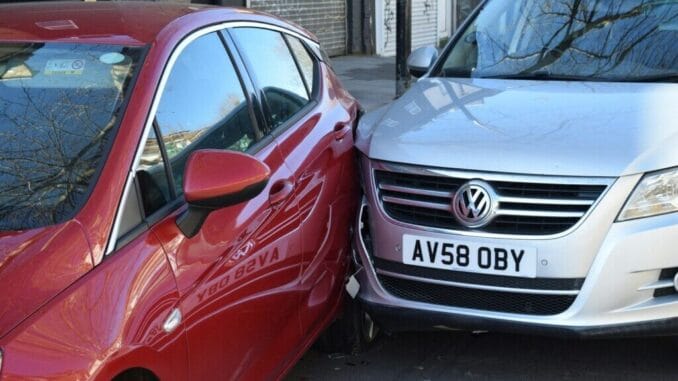
Chicago’s dense grid of expressways and surface streets makes it one of the busiest driving environments in the Midwest, and car accidents remain a frequent occurrence throughout the city. Understanding how Illinois law handles fault, along with the practical steps to take after a crash, can significantly affect the outcome of a claim for Chicago area drivers.
Chicago’s Traffic Accident Landscape
Expressways like the Kennedy, Dan Ryan, and Eisenhower see heavy congestion throughout the day, and according to the Illinois Department of Transportation, high traffic volume combined with frequent lane changes and aggressive merging contributes to a significant share of the city’s crashes. Winter weather adds another layer of risk, with snow and ice creating hazardous driving conditions on both expressways and neighborhood streets throughout much of the season.
Beyond weather and congestion, distracted driving continues to be a factor in a meaningful portion of Chicago area collisions, particularly at intersections where drivers checking phones may fail to notice a light change or a pedestrian crossing the street in front of them.
How Illinois Determines Fault
Illinois follows a modified comparative negligence system, allowing an injured driver to recover compensation as long as they are found fifty percent or less responsible for the accident, with damages reduced according to their percentage of fault. This system means that insurance companies frequently dispute fault allocation aggressively, since even a small shift in assigned responsibility can significantly affect what they ultimately have to pay out on a claim.
“People are often surprised at how quickly the other driver’s insurance company reaches out after an accident,” said a Chicago car accident attorney from Postman Law. “That speed isn’t a coincidence. Adjusters want a statement before an injured person fully understands what they’re dealing with, and that’s exactly when mistakes tend to happen.”
Protecting a Claim From the Start
Following a crash, checking for injuries and calling for emergency assistance if needed should always come first. Once safety is addressed, drivers should exchange insurance information, take photographs of the vehicles and the surrounding area, and request a copy of the official police report, which serves as an important piece of documentation throughout the claims process.
According to the Illinois Department of Insurance, consumers involved in an accident are not required to accept an insurer’s first settlement offer and have the right to seek independent legal advice before resolving a claim. Being cautious about early recorded statements and understanding that initial offers often undervalue long term medical needs can help protect an injured driver’s interests.
Understanding Illinois Filing Deadlines
Illinois generally allows two years from the date of an accident to file a personal injury lawsuit related to a car crash, though claims involving government entities or certain other circumstances can carry different and often shorter deadlines. Missing an applicable filing deadline typically bars a claim entirely, regardless of how strong the underlying case may otherwise be.
Building a strong claim also depends on prompt medical treatment, since gaps between an accident and the first documented medical visit can give an insurance company grounds to argue that an injury was unrelated to the crash or less serious than described by the claimant.
Chicago’s mix of heavy expressway traffic, seasonal weather challenges, and dense urban intersections means car accidents remain a persistent risk for drivers throughout the city. Understanding how fault is determined under Illinois law and taking the right steps immediately after a crash gives drivers a stronger position when pursuing fair compensation for their injuries and losses.
Rideshare and delivery vehicles have become an increasingly common presence on Chicago streets, and accidents involving these drivers can introduce additional complexity into a claim. Depending on whether the driver was actively transporting a passenger or en route to a pickup at the time of the crash, different insurance policies may apply, which can affect both the timeline and the amount of compensation available to an injured party.
Pedestrian and bicycle accidents also make up a notable share of Chicago traffic incidents, particularly in dense neighborhoods with heavy foot traffic and limited dedicated bike infrastructure on certain streets. These cases often involve their own specific considerations, including questions about right of way at crosswalks and intersections, and injured pedestrians or cyclists generally have the same right to pursue compensation from an at fault driver as someone injured in a traditional vehicle to vehicle collision.
Multi car pileups on Chicago expressways during winter storms present another particularly complicated scenario, since determining which driver or drivers bear responsibility for a chain reaction crash can require detailed reconstruction of how the incident unfolded. In these situations, insurance companies representing different drivers often dispute fault extensively, making thorough documentation and, in more serious cases, professional accident reconstruction especially valuable for establishing an accurate account of events.
Leave a Reply