
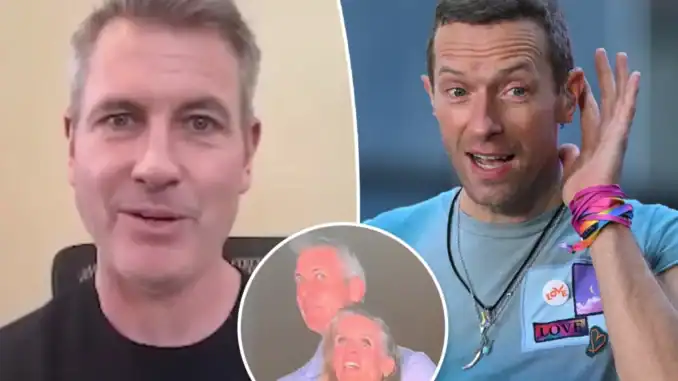
Andy Byron’s Legal Battle with Coldplay Enters 2026
As of March 2026, the viral fallout from a single 15-second “kiss cam” segment has transformed from a social media scandal into a complex legal debate over privacy in the digital age. The controversy involving Andy Byron, the former CEO of Astronomer, and Kristin Cabot, the company’s former Head of HR, has reached a critical juncture. While rumors of a lawsuit began circulating almost immediately after the July 2025 Coldplay concert in Boston, the legal community is now closely watching to see if Byron will follow through with a formal filing for “emotional distress” and “invasion of privacy.” For Byron, the stakes are nothing less than his professional reputation and personal legacy, both of which were upended when Chris Martin jokingly suggested the pair were “having an affair” in front of 70,000 screaming fans.
The Incident: When “Artistic Expression” Meets Privacy
The incident occurred during Coldplay’s “Music of the Spheres” world tour at Gillette Stadium. During a routine crowd-engagement segment, the stadium cameras zoomed in on Byron and Cabot in an embrace. When the pair realized they were on the jumbotron, they visibly panicked, ducking out of the frame. Chris Martin, attempting to keep the mood light, commented over the microphone, “Either they’re having an affair or they’re just really shy.” Within hours, the clip was a global meme, leading to the resignation of both executives within days.
Byron’s potential legal strategy reportedly hinges on the claim that he did not consent to being filmed in what he describes as a “private moment turned public spectacle.” However, legal experts argue that attendees at public events generally waive their right to privacy. This “public waiver” concept is a cornerstone of modern litigation, much like the Sixt class action lawsuit settlement, where the focus was on the transparency of corporate billing practices. In both cases, the courts are being asked to decide where an individual’s personal rights end and a corporation’s right to operate—or entertain—begins.
Defamation and the “Chris Martin” Joke
The most provocative part of the potential lawsuit involves Chris Martin’s specific commentary. Byron’s legal team may argue that Martin’s “affair” remark constituted defamation, as it led directly to his firing and the breakdown of his marriage. To succeed in a 2026 courtroom, Byron would need to prove that the statement was false and made with “reckless disregard” for the truth. This mirrors the high bar for accountability seen in the Fox News defamation lawsuit Gavin Newsom, where a public figure had to prove that a media entity deliberately mischaracterized facts to cause harm. For Byron, the challenge is proving that a spontaneous joke at a rock concert meets the legal definition of malice.
Privacy in the Age of “Hot Mics”
The Andy Byron case highlights a growing anxiety in 2026: the fear that our digital footprints can be used to destroy our professional lives in an instant. This theme of “digital reputation” is central to the Mario Lopez lawsuit 2025, which explores how private recordings and social media can be weaponized against public figures. In both instances, the legal system is struggling to catch up with a world where a “kiss cam” or a “hot mic” can lead to immediate corporate termination. Byron’s argument is that he “didn’t consent to being a meme,” but in the eyes of many 2026 judges, your consent is often granted the moment you buy a ticket.
Internal Linking and Institutional Responsibility
The corporate response from Astronomer was swift, placing both Byron and Cabot on leave before accepting their resignations. This move to protect “corporate values” is a trend seen across the legal landscape. For example, the Humana Medicare Advantage ratings lawsuit shows how institutions will fight aggressively to protect the metrics and reputations that define their success. Whether it’s a data breach or a personal scandal, the 2026 corporate playbook is one of immediate distance and brand preservation.
The “Snowflake” Parallel: Data vs. Public Exposure
While the Byron scandal is a matter of visual exposure, it shares structural similarities with the AT&T class action lawsuit 2025. In both cases, individuals were “exposed” without their explicit permission—one through a digital data breach and the other through a stadium camera. The legal question for 2026 remains: what is the duty of care that a massive entity (like Live Nation or AT&T) owes to the individuals whose data or images they control? If a “kiss cam” can destroy a career, should there be stricter regulations on how these segments are conducted?
Timeline: Is a Filing Imminent in 2026?
As of March 17, 2026, no formal complaint has appeared in the Massachusetts or California court dockets, but sources close to Byron suggest “discovery documents” are being prepared. This “holding pattern” is common in high-profile cases, similar to the Lisa Cook lawsuit, where the public wait for a final decision can last for months or even years. If Byron does file, it will likely be a “long-shot” attempt to clear his name and potentially secure a settlement from the concert organizers or the band’s insurance carriers.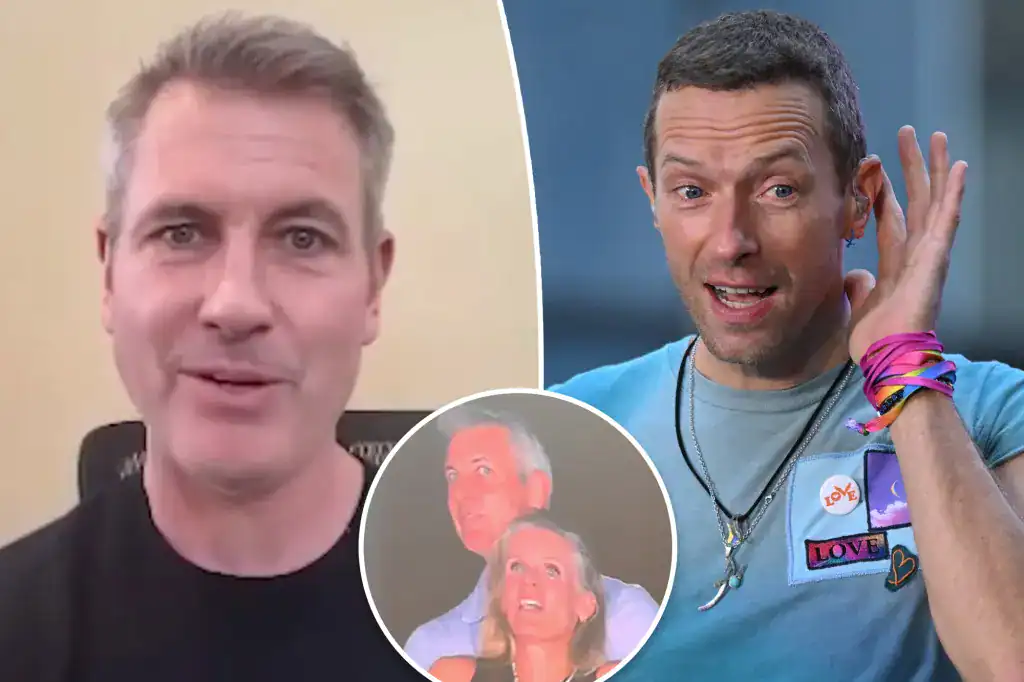
The Global Impact of the “Kiss Cam” Scandal
The fallout has even influenced broader political and judicial discussions. In the Wisconsin congressional redistricting lawsuit, legal teams have argued about the “intent of the record,” just as Byron’s team might argue about the “intent” of the camera operator. When the lines between public and private are blurred, the 2026 courts are consistently leaning toward institutional protection, unless a clear and egregious violation of state law can be proven.
A Warning to All: The “Makeup” Remark
In a subtle response to the drama, Chris Martin told fans at a subsequent show, “If you haven’t done your makeup, do it now—you might end up on the big screen.” This reinforces the industry’s stance: the jumbotron is part of the show. Much like the Amazon refund class action lawsuit, where consumers are warned to be aware of the “terms and conditions” they agree to, the Coldplay incident serves as a $100 million warning that your private behavior in a public space is never truly private.
Conclusion
The Andy Byron lawsuit of 2026 is about more than a viral video; it is a test case for the “right to be forgotten” in a live-streaming world. Whether Byron succeeds in proving defamation or simply remains a cautionary tale of “bad timing,” the legal precedent set by this case will define how concert organizers and media giants handle the images of the public for years to come. For now, the “Kiss Cam CEO” remains in a state of legal limbo, waiting for a court to decide if a rock star’s joke is a protected piece of art or an actionable piece of slander.
Leave a Reply