Federal Reserve Independence and 2026 Supreme Court Updates
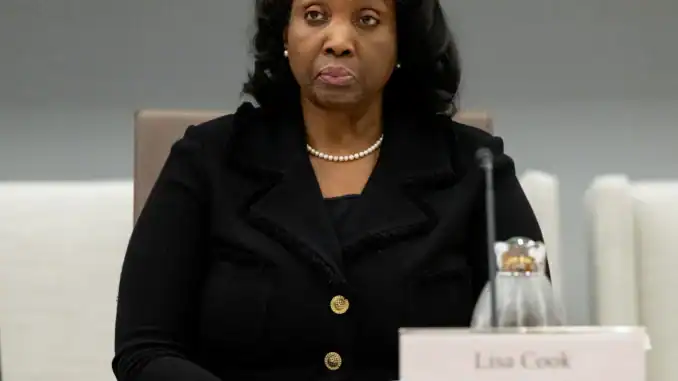
As of March 2026, the American financial landscape remains fixated on a historic legal battle that could redefine the boundaries of executive power. The Lisa Cook lawsuit, officially docketed as Trump v. Cook, represents the first time in the 112-year history of the Federal Reserve that a sitting President has attempted to forcibly remove a Governor from the Board. This case has moved beyond a mere personnel dispute, evolving into a critical test of central bank independence and the statutory “for cause” removal protections that have long shielded the Fed from political interference.
The Core of the Conflict: Allegations and the Initial Firing
The legal firestorm began in August 2025, when the administration announced the immediate removal of Governor Lisa Cook. The stated justification involved allegations of mortgage fraud stemming from property disclosures made in 2021—before Dr. Cook was confirmed to her 14-year term on the Federal Reserve Board. The administration, supported by referrals from the Federal Housing Finance Agency (FHFA), claimed that Cook’s alleged “gross negligence” in financial transactions rendered her unfit to serve as a regulator of the nation’s banking system.
However, legal experts and Dr. Cook’s counsel, Abbe Lowell, have argued that these claims were a pretext for a political takeover. Dr. Cook has unequivocally denied any wrongdoing, and subsequent independent investigations by major news outlets suggested that the mortgage documents in question were properly disclosed. This tension has led to a surge in administrative procedure act litigation, as the courts must now decide if an administration can use pre-tenure conduct as “cause” for removal.
Supreme Court Oral Arguments: January 2026
On January 21, 2026, the Supreme Court heard oral arguments in Trump v. Cook. The hearing provided a fascinating look into the justices’ thinking regarding the separation of powers doctrine. Solicitor General D. John Sauer argued that the President must have the authority to remove any official who lacks the “integrity and trust” required for such a high-level economic post. He contended that judicial review of a “for cause” determination should be highly deferential to the Executive Branch.
In contrast, Paul Clement, representing Dr. Cook, emphasized that the Federal Reserve was designed by Congress to be a “uniquely structured, quasi-private entity.” He argued that if the President could fire a Governor based on unproven allegations without a formal hearing, it would effectively transform the Federal Reserve into a body subservient to the President’s will, destroying its credibility in the global markets.
Current Status: March 2026
As of late March 2026, the Supreme Court has not yet released its final opinion. However, Dr. Cook remains in her position at the Fed due to a preliminary injunction that the high court refused to stay. The financial markets are watching the Friday opinion release dates closely. Many analysts suggest that the court’s reluctance to grant an emergency stay in October 2025 indicates a skepticism toward the administration’s broad interpretation of its removal powers.
Legal Analysis: The “For Cause” Standard
The outcome of the Lisa Cook lawsuit hinges on the definition of “for cause” removal. Traditionally, this has been interpreted to mean inefficiency, neglect of duty, or malfeasance *in office*. The administration’s attempt to expand this to *pre-office* conduct is a novel legal theory. If upheld, it could set a precedent where any independent agency head—from the SEC to the FTC—could be targeted for past personal financial errors, real or perceived.
Key Figures in the Cook Litigation
| Participant | Role in Case | Key Stance/Action |
|---|---|---|
| Lisa Cook | Plaintiff / Fed Governor | Defending Fed independence and due process rights. |
| Donald Trump | Defendant / President | Asserting executive authority over independent regulators. |
| Jia Cobb | District Judge | Issued the initial injunction blocking Cook’s firing. |
| Jerome Powell | Fed Chair | Publicly supported the “institutional independence” of the Board. |
Implications for Central Bank Independence
The stakes extend far beyond Dr. Cook’s seat. The Federal Reserve’s ability to manage inflation and interest rates relies on its distance from the electoral cycle. If the Supreme Court rules in favor of the administration, it could trigger a series of class action lawsuit updates from other independent officials who fear they are now “at-will” employees. Economic stability is tied to the perception that the Fed makes decisions based on data, not political pressure.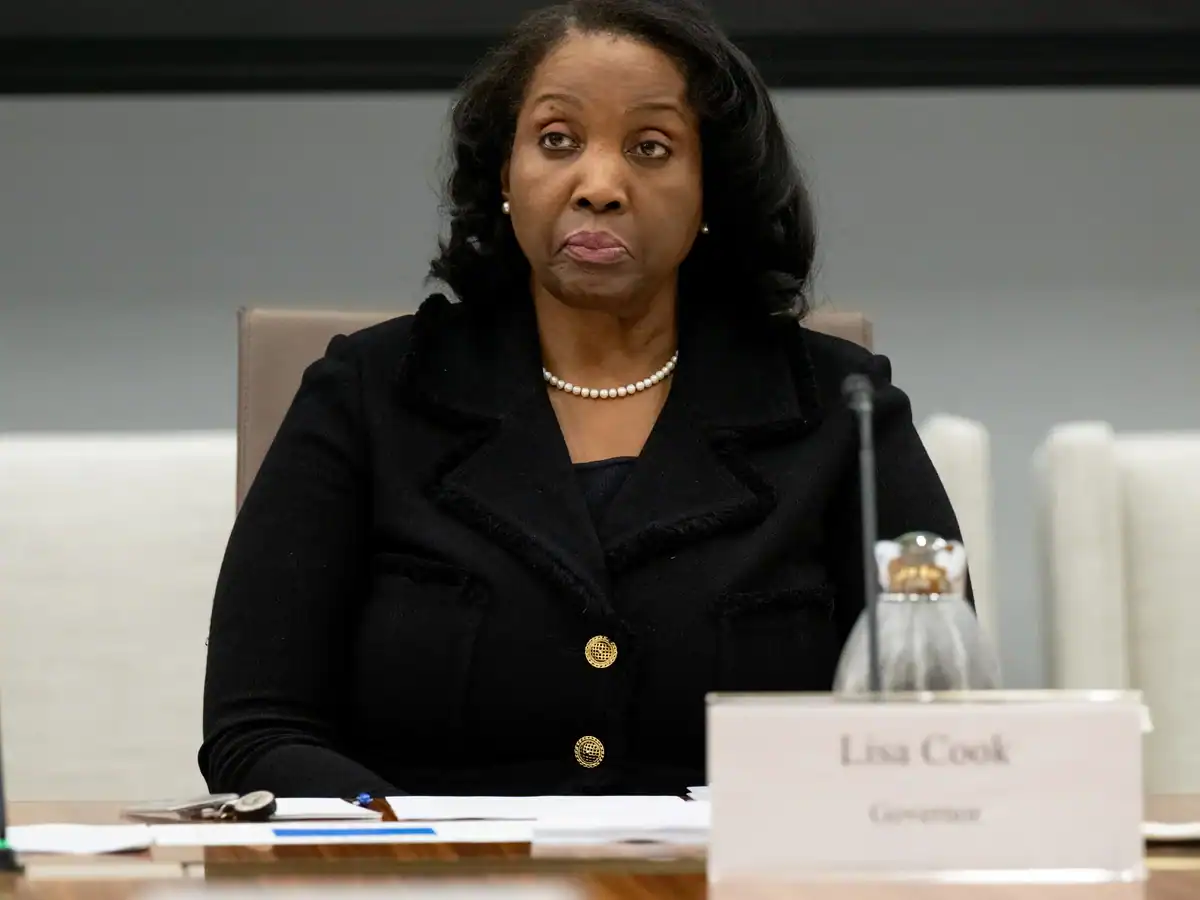
Related Developments: The Powell Subpoena Block
The litigation surrounding Dr. Cook is intertwined with other efforts to influence the Fed. In March 2026, a federal judge blocked DOJ subpoenas targeting Chair Jerome Powell, calling the investigation a “pretext” to pressure the Fed into lowering interest rates. These parallel legal tracks suggest a broader systemic challenge to the Federal Reserve’s autonomy that the judiciary must now resolve.
Conclusion
The Lisa Cook lawsuit is more than a legal curiosity; it is a fundamental inquiry into the American constitutional structure. Whether the Supreme Court ultimately protects the “for cause” barrier or grants the President more direct control, the 2026 term will be remembered for this decisive ruling on central bank autonomy. For those following the evolution of federal law, this case remains the primary indicator of the health of the federal spending transparency and administrative accountability framework.
Leave a Reply