Child Labor Payouts and the Georgia Megasite Immigration Fallout
Hyundai Motor Group, a dominant force in the global automotive market, is currently defending its American operations against a wave of high-stakes litigation that reached a boiling point in early 2026. The Hyundai labor practices lawsuit landscape has expanded from specific child labor allegations in Alabama to a massive international incident involving immigration raids at its new Georgia “Metaplant.” These cases are fundamentally reshaping how multinational corporations are held accountable for the actions of their subcontractors and third-party staffing agencies.
The “Fissured Workplace” Theory in Alabama
The most significant legal threat remains the U.S. Department of Labor’s (DOL) ongoing prosecution in the Middle District of Alabama. As of March 2026, the case Su v. Hyundai Motor Manufacturing Alabama is in the midst of a landmark trial. The DOL alleges that Hyundai is “jointly liable” for oppressive child labor discovered at its supplier, SMART Alabama LLC (now ITAC Alabama). Investigators found children as young as 12 operating heavy metal-stamping machinery and working up to 60 hours per week instead of attending school.
Hyundai’s defense centers on the argument that these children were hired by independent staffing firms, not the automaker itself. However, the DOL is successfully utilizing the “fissured workplace” theory, arguing that Hyundai’s strict control over its supply chain makes it a de facto employer. This battle over “indirect responsibility” mirrors the transparency demands in the Gmail lawsuit 2025, where users argued that tech giants cannot hide behind complex digital architecture to avoid liability. In Alabama, the court is being asked to force Hyundai to “disgorge profits” earned from vehicles built using illegal labor—a move that could cost the company hundreds of millions of dollars.
The 2025 Georgia “ICE Raid” and 2026 Engineer Lawsuits
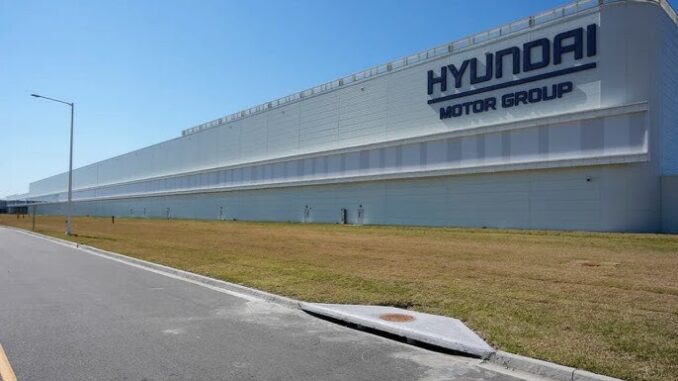
While the Alabama case focuses on age, a separate crisis emerged at Hyundai’s $7.6 billion EV Metaplant in Bryan County, Georgia. In September 2025, federal authorities conducted the largest workplace immigration raid in U.S. history, detaining 475 workers. Most of the detainees were South Korean engineers and technical experts brought in to install sensitive battery-cell equipment. By March 2026, these workers—many of whom had their visas reinstated after the government admitted to “procedural overreach”—filed a series of individual and class-action civil rights lawsuits.
The Hyundai labor practices lawsuit in Georgia alleges that workers were “shackled like dangerous fugitives” despite being in the country on valid B-1 business visas. The diplomatic fallout has been severe, with South Korean officials warning that such “militarized enforcement” threatens future foreign investment. This tension between federal immigration policy and industrial necessity is a recurring theme in 2026, much like the institutional friction explored in the Koteiba Azzam State Farm lawsuit, where corporate procedures were scrutinized for failing to protect the basic dignity of individuals within a system.
California “False Certification” Lawsuit
Adding to the pressure, a non-profit organization, Jobs to Move America, filed a lawsuit in Los Angeles Superior Court in late 2025. This case alleges that Hyundai and Kia violated California’s Unfair Competition Law by “deceiving” state agencies. The plaintiffs argue that Hyundai won lucrative public contracts for electric buses and fleet vehicles by falsely certifying that its supply chain was free of forced, prison, and child labor. This “marketing vs. reality” conflict is similar to the legal arguments in the Kia Hyundai anti-theft lawsuit, where the companies’ public safety claims were challenged by real-world theft rates.
As of March 2026, California courts are reviewing internal Hyundai “social audits” to determine if the company was aware of the labor violations in its Southern U.S. plants while it was actively bidding for California tax credits. If the court finds that Hyundai knowingly misrepresented its labor practices, the company could be barred from future government contracts in the state—a devastating blow to its EV expansion strategy.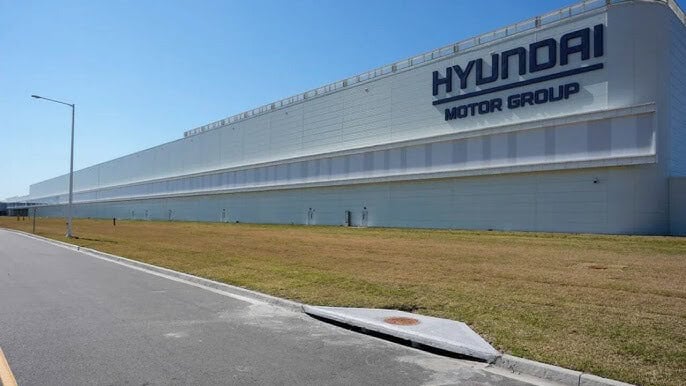
Key Facts of the 2026 Hyundai Labor Disputes:
- Alabama Claim: Joint liability for child labor at Tier-1 suppliers (SMART/ITAC).
- Georgia Claim: Civil rights violations and “unlawful detention” of 475 South Korean experts.
- California Claim: Unfair competition through false certification of “clean” labor practices.
- Current Status: Alabama trial in discovery; Georgia workers’ visas reinstated; California suit pending.
- Legal Precedent: Tests the “Integrated Employer” doctrine under the Fair Labor Standards Act.
Conclusion: The True Cost of a Global Supply Chain
The Hyundai labor practices lawsuit serves as a stark reminder that “out of sight” can no longer mean “out of mind” for modern manufacturers. As the 2026 trials progress, the results will likely dictate new national standards for supply chain auditing. Whether it is protecting 13-year-olds in Alabama or the civil rights of foreign engineers in Georgia, the legal system is demanding a level of corporate oversight that matches the speed of modern production. For more updates on automotive litigation and worker safety.
Leave a Reply