2026 Federal Reexamination of “Discretionary” FBI Raids Following SCOTUS Win
A decade-long battle for justice reached a historic milestone in early 2026 as the 11th Circuit Court of Appeals began a “careful reexamination” of one of the most egregious cases of federal law enforcement error in recent history. The FBI mistaken house search lawsuit (Martin v. United States) was revived by a unanimous U.S. Supreme Court decision in June 2025, striking down lower court rulings that had previously shielded the government from liability. The case, which involves a pre-dawn SWAT raid on an innocent Atlanta family, is now the primary test for whether federal agents can hide behind “discretionary immunity” when they storm the wrong address.
The Raid: 3756 Denville Trace vs. The Target
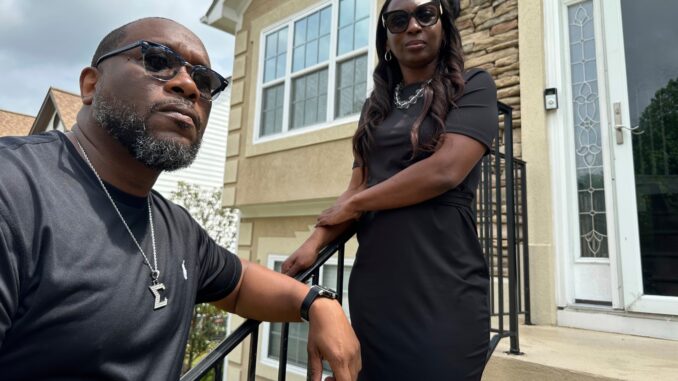
The incident occurred in October 2017 but remains the focal point of 2026 civil rights discussions due to its harrowing nature. Armed FBI SWAT agents, targeting a suspected gang member at 3741 Landau Lane, instead breached the home of Curtrina Martin and Toi Cliatt at 3756 Denville Trace. The agents detonated a flashbang grenade, smashed the front door, and held the couple—and Martin’s then-7-year-old son—at gunpoint. The error was only realized when an agent noticed mail on a table with an address that did not match their warrant.
The lawsuit alleges that the mistake was entirely preventable. The team leader, Special Agent Lawrence Guerra, reportedly relied on a personal GPS device rather than official navigation tools, and the team failed to notice the house number clearly displayed on the mailbox. This lack of basic verification is a recurring theme in 2026 litigation. It echoes the transparency and accountability issues found in the Gmail lawsuit 2025, where users argued that institutional reliance on flawed digital systems should not absolve the organization of responsibility for the resulting harm.
The SCOTUS Ruling: Overturning the “Nexus” Defense
In June 2025, Justice Neil Gorsuch, writing for a unanimous Supreme Court, delivered a stinging rebuke to the 11th Circuit’s previous dismissal. The lower court had argued that the FBI was protected by the “Supremacy Clause” because the raid had a “nexus with furthering federal policy.” The Supreme Court flatly rejected this, stating that the Federal Tort Claims Act (FTCA) expressly binds the federal government to state tort law for the actions of law enforcement officers.
This ruling is a massive shift in 2026 legal standards, as it limits the government’s ability to claim that any “federal policy” objective justifies the violation of individual rights. This pursuit of accountability for procedural failures is technically similar to the USAA patent infringement lawsuit, where the specific adherence to established protocols (or the lack thereof) determines the legality of a complex institutional action. For the Martin family, the SCOTUS win means the government can no longer use the Constitution as a shield for a GPS error.
The “Discretionary Function” Battleground
Despite the Supreme Court victory, the 2026 proceedings in the 11th Circuit face a final, significant hurdle: the “discretionary-function exception.” This rule typically bars lawsuits based on an official’s performance of a duty that involves personal judgment. The government argues that the way an agent prepares for a warrant execution is a “discretionary” choice. However, in her 2025 concurrence, Justice Sonia Sotomayor signaled skepticism, suggesting that failing to check a street sign or a house number is not the kind of “policy judgment” the exception was intended to protect.
This debate over what constitutes “acceptable discretion” is being closely watched by consumer advocates. It parallels the arguments in the Kia Hyundai anti-theft lawsuit, where plaintiffs argued that a manufacturer’s “discretionary” design choices should not be immune from liability if those choices lead to predictable public harm. If the 11th Circuit rules in favor of the Martin family in 2026, it will effectively end the era where “honest mistakes” in high-stakes raids are automatically dismissed by federal courts.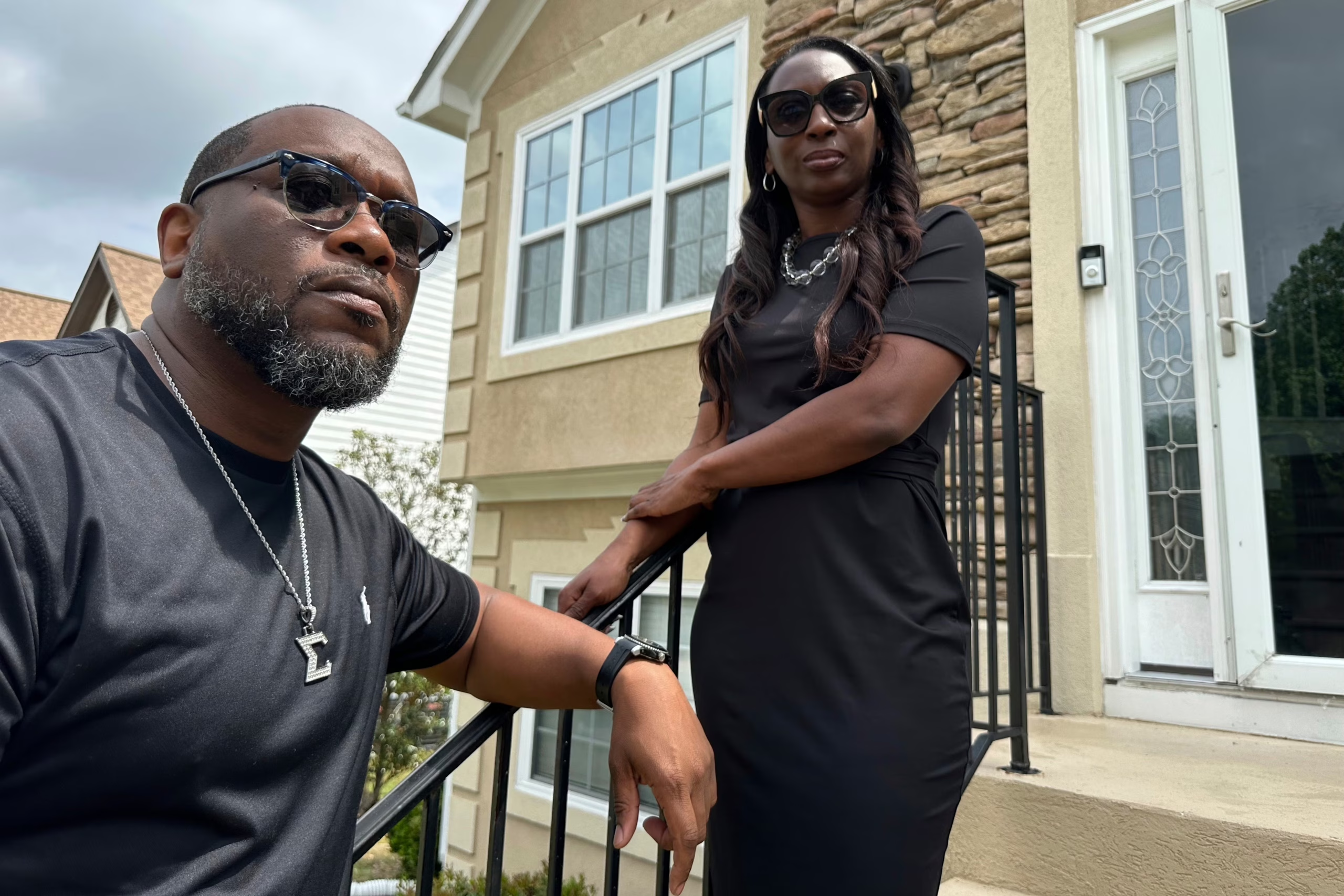
Key Facts in Martin v. United States (2026):
- The Error: FBI raided a house 500 feet away from the actual target due to a personal GPS mistake.
- The Impact: Lasting psychological trauma for a child and property damage to a private residence.
- The SCOTUS Win: Unanimous June 2025 ruling revived the family’s right to sue under the FTCA.
- The 2026 Focus: Determining if “GPS negligence” qualifies as a protected discretionary function.
- The Outcome: Potential for a landmark settlement that would establish a national standard for wrong-house raid compensation.
Conclusion: Restoring the Promise of the FTCA
The FBI mistaken house search lawsuit is the most important test of the Federal Tort Claims Act since its amendment in the 1970s. As the 11th Circuit reexamines the case in 2026, the focus is no longer on whether a mistake was made—that is admitted—but on whether the federal government is “above the law” when its agents are negligent. For the Martin family, the fight is about more than money; it is about ensuring that no other child has to wake up to a flashbang grenade because an agent forgot to look at a mailbox. For more updates on federal litigation and civil rights.
Leave a Reply