
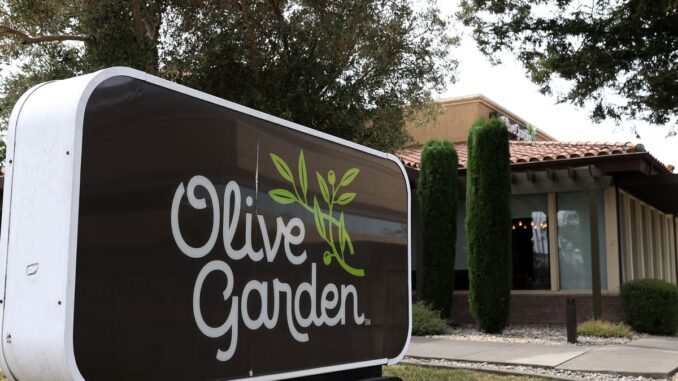
The Robert Bayton v. Olive Garden Lawsuit: A Medical Crisis Over “Gluten-Free” Fettuccine
A night out at an Olive Garden in Lexington, Kentucky, has evolved into a high-stakes federal lawsuit involving celiac disease, severe medical negligence, and the legal definition of a “safe” meal. Filed in late 2024 and gaining national attention in March 2026, Bayton v. N and D Restaurants LLC (the operator of Olive Garden) centers on allegations that a server intentionally or recklessly provided full-gluten pasta to a customer who had clearly identified his medical condition. As of March 17, 2026, the case is serving as a benchmark for how the legal system handles allergen-related injuries in the wake of California’s strict new 2026 labeling laws.
The Allegations: A “Fatal” Substitution
The plaintiff, Robert Anthony Bayton, alleges that during a visit to a Lexington Olive Garden in August 2024, he informed his server multiple times that he suffered from celiac disease—a serious autoimmune disorder where gluten ingestion causes the body to attack its own small intestine. Bayton specifically requested the gluten-free fettuccine Alfredo. The lawsuit contends that despite the server’s assurance of an accommodation, Bayton was served traditional wheat-based pasta. After consuming the meal, Bayton reportedly suffered an immediate and violent physical reaction, requiring emergency medical intervention and resulting in what the complaint describes as “significant and permanent injuries.”
The Legal Conflict: Negligence vs. Cross-Contamination
A primary point of contention in the 2026 proceedings is whether the incident was a simple kitchen error or actionable negligence. Olive Garden’s defense teams have historically pointed to website disclaimers stating that while they offer “gluten-friendly” options, their kitchens are not gluten-free environments. However, Bayton’s legal team argues that the issue was not cross-contamination but a wholesale substitution of a prohibited ingredient. The lawsuit claims that once the restaurant accepted the customer’s request to accommodate a medically necessary diet, they assumed a legal duty of care to provide exactly what was promised.
- Celiac Complications: The complaint seeks damages for villous atrophy and an “increased risk of future medical complications” caused by the severe gluten exposure.
- Damages Sought: Bayton is demanding compensatory damages for medical expenses, lost wages, and physical pain and suffering, with the amount to be determined by a Kentucky jury.
- Website Warnings: Defense filings have highlighted that Olive Garden’s own online menu specifies that their Alfredo sauce itself contains gluten, suggesting a systemic failure in the server’s knowledge of the ingredients.
2026 Regulatory Context: California’s SB 68 Impact
While the Bayton case proceeds in Kentucky, it is being heavily influenced by the Allergen Disclosure for Dining Experiences (ADDE) Act (SB 68) in California. Effective July 1, 2026, this law requires large chains like Olive Garden to list the nine most common allergens, including wheat, directly on their menus. Legal analysts suggest that the standard set by this law—that restaurants must disclose allergens they “reasonably should know” are present—is creating a new national expectation for corporate accountability. For Olive Garden, this means that failures in staff training regarding hidden allergens (like the wheat in Alfredo sauce) may no longer be defensible as simple mistakes.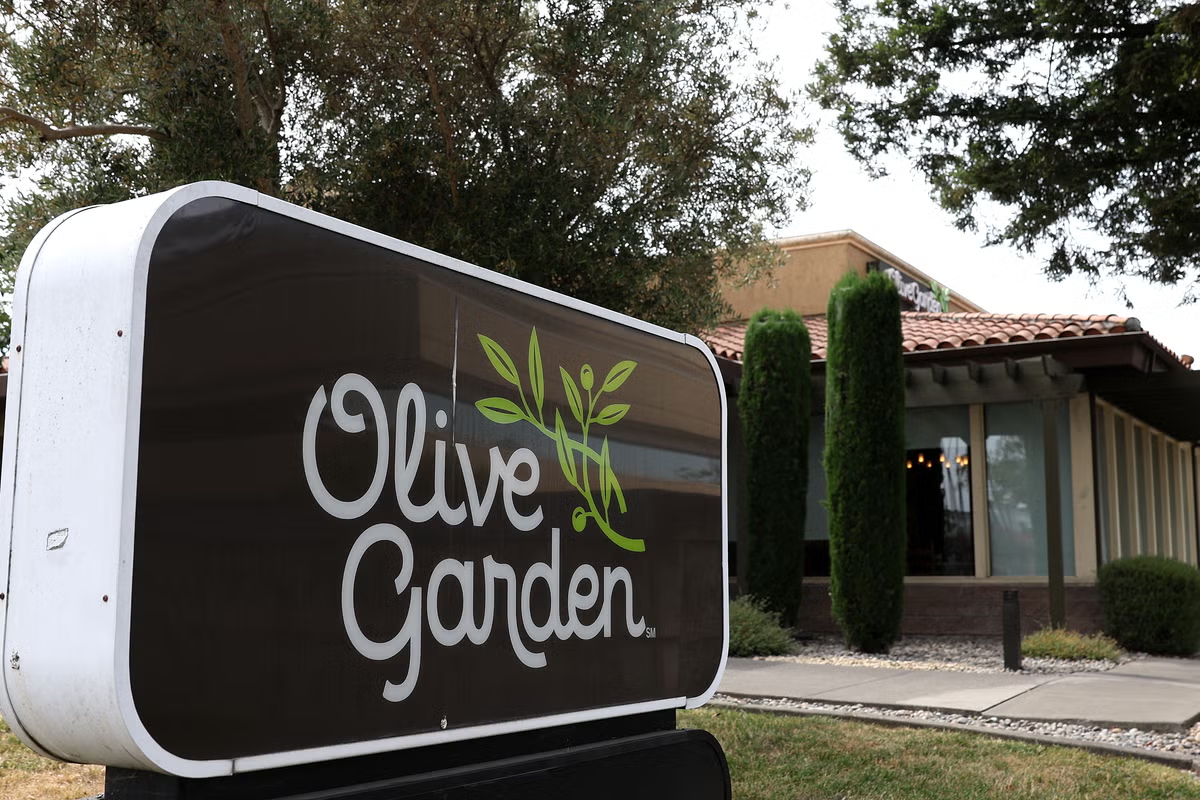
Internal Linking and Corporate Safety
The Olive Garden celiac lawsuit is part of a broader 2026 trend where consumers are holding large entities accountable for physical and digital safety. For example, the Bill Miller Bar-B-Q lawsuit similarly deals with severe physical injuries caused by negligence. On the regulatory side, the Perkins Coie lawsuit and the AFT v. Ed IDR lawsuit highlight the use of the courts to enforce transparency and compliance. For those monitoring consumer data protections alongside physical safety, the Gmail lawsuit claim and the Cash App text message lawsuit provide additional context on the legal landscape of 2026.
Conclusion: The Future of “Gluten-Free” Dining
The outcome of Bayton v. Olive Garden will likely determine how strictly large restaurant chains must verify “allergy-friendly” orders. If Bayton secures a significant verdict or settlement in late 2026, it could lead to mandatory allergen certification for all server staff at major franchises. For the celiac community, the case is a powerful reminder of the risks involved in commercial dining and the importance of transparent labeling. We will continue to track the Lexington federal court filings as the case moves toward a potential trial date in late 2026.
Leave a Reply