January 2025 Banking Glitch and Legal Status
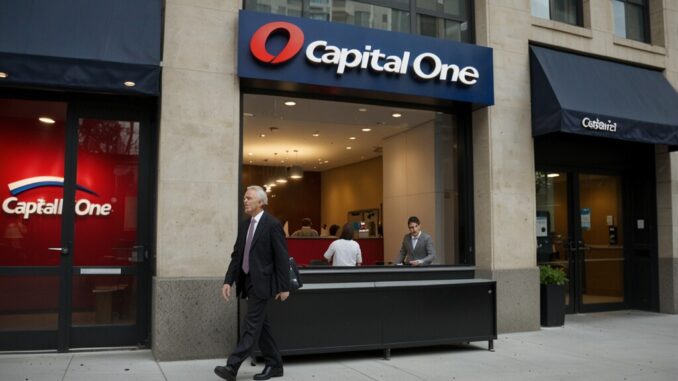
The reliability of digital banking was put to the test in early 2025 when a significant technical failure left millions of Capital One customers unable to access their funds. This event, now widely known as the “January 2025 glitch,” triggered a wave of litigation consolidated into the Capital One outage lawsuit. As of March 2026, the legal proceedings have moved through several dismissals and individual resolutions, highlighting the complex challenge of holding financial institutions accountable for third-party technical failures. For many customers who faced late fees, missed mortgage payments, or delayed payroll during the four-day disruption, the ongoing legal dialogue continues to influence how banks manage operational risks.
The Event: Four Days of Denied Account Access
The disruption began on January 15, 2025, and lasted through January 19, affecting customers nationwide. The outage prevented users from logging into the Capital One mobile app, viewing account balances, and processing essential transactions. The “proximate cause” was eventually revealed to be a power failure and hardware issue at FIS Global, a third-party vendor that provides core banking services for Capital One. While the bank eventually restored full service, the timing was particularly damaging as it coincided with a major mid-month pay period, leaving many people without access to their direct deposits for several days.
Legal Grounds: Breach of Contract and Negligence
The primary class action lawsuit, *Zepeda v. Capital One Financial Corp.*, was filed in the Eastern District of Virginia. Plaintiffs argued that Capital One violated its own customer agreements, which promise same-day availability for electronic deposits and reliable fund access. The legal teams alleged that the bank was negligent in its “vendor due diligence,” failing to ensure that its third-party providers had adequate redundancy systems to prevent such a catastrophic failure. They sought damages not only for direct financial losses—such as overdraft fees—but also for the “significant hardship” caused by the inability to purchase essential goods like food and fuel.
- Class Period: Customers who held a Capital One account and were denied access between Jan. 15 and Jan. 19, 2025.
- Standing Challenges: In mid-2025, several federal courts dismissed parts of the litigation, ruling that “frustration” alone does not constitute a legal injury for class-wide relief.
- Small Business Impact: Cases like *Wild Fundraising LLC v. Capital One* were particularly intense, focusing on the loss of business revenue and reputational damage.
Status of Settlements and Payouts in 2026
As of March 2026, there is no nationwide class-wide settlement for the January 2025 outage. Many of the consolidated class actions were dismissed on procedural grounds throughout late 2025, with judges indicating that affected customers must demonstrate “concrete financial harm” to proceed collectively. However, this has not stopped individual resolutions. Capital One has reportedly been working directly with the Consumer Financial Protection Bureau (CFPB) to issue fee waivers and credits to thousands of customers who filed formal complaints regarding late fees and penalties incurred during the downtime.
Internal Linking and Institutional Responsibility
The accountability of large financial institutions remains a central theme in modern courtrooms. For example, the Capital One FDIC lawsuit overcharge involves a separate battle over $149 million in regulatory fees, demonstrating that banks often fight legal battles on multiple fronts. Additionally, the Cash App text message lawsuit provides an example of how digital finance platforms face scrutiny over marketing and communication. These cases, along with the Gmail lawsuit claim regarding service reliability, underscore the high stakes of digital dependency.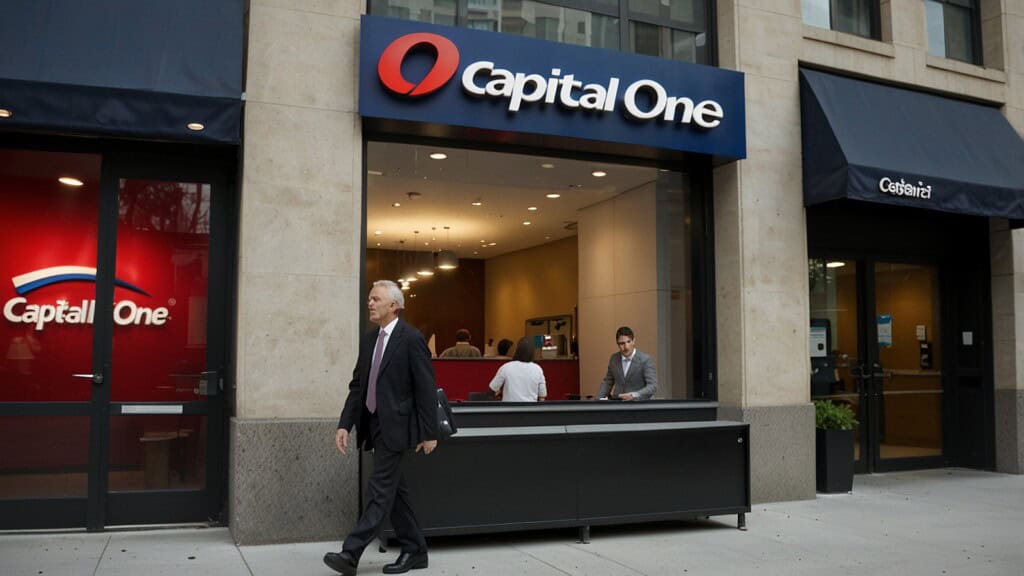
The 2026 Shift: New CFPB Guidelines for Third-Party Risk
One of the lasting legacies of the Capital One outage lawsuit has been a shift in federal oversight. In late 2025, the CFPB issued new guidance emphasizing that banks cannot “contract away” their liability for vendor failures. This means that even if a third party like FIS Global causes an outage, the bank itself remains legally responsible for customer losses. As a result, Capital One has implemented a more transparent “Status Page” in 2026, offering real-time updates on mobile app and web functionality to avoid the communication gaps that fueled the original lawsuits.
What to Do if You Were Affected
While the large class-action payouts have not materialized, individual recourse remains possible in early 2026. If you have documentation of specific financial losses—such as bank statements showing late fees or receipts for professional services used to resolve outage-related issues—you can still submit a direct claim through Capital One’s internal resolution portal. Legal experts recommend mentioning the “duty of mitigation” highlighted in the 2025 court filings, as this often prompts banks to settle smaller claims to avoid further litigation costs.
Conclusion
The Capital One outage lawsuit serves as a critical case study in the vulnerability of modern banking. While the legal system has been slow to certify a massive class-wide payout, the pressure from these filings has forced significant changes in how the industry handles third-party risks. For further insights into corporate legal battles, see our reports on the Sixt class action lawsuit settlement or the latest on the AT&T lawsuit payout. We will continue to provide updates as the final individual appeals from the 2025 outage are adjudicated through the 2026 court cycle.
Leave a Reply