The $25 Million Mario Lopez Defamation Battle of 2026
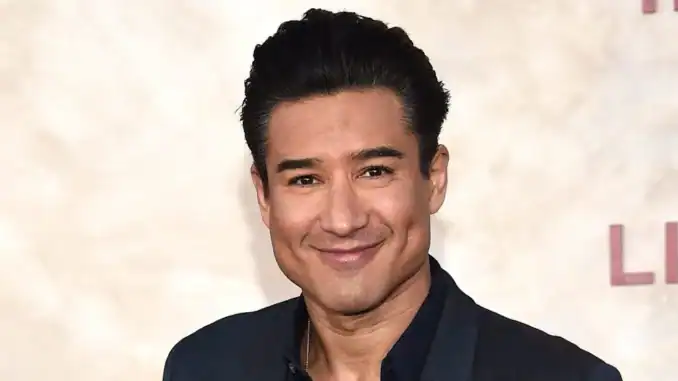
As of March 2026, the entertainment industry is transfixed by a high-stakes legal drama involving one of television’s most recognizable faces. Mario Lopez, the longtime host of Access Hollywood, is currently embroiled in a $25 million defamation lawsuit that has moved into an explosive discovery phase. The case, originally filed in late 2025, centers on allegations that Lopez used his massive media platform to orchestrate a “character assassination” against a social media influencer and former professional cheerleader. With news surfacing this month that Access Hollywood is facing cancellation as NBCUniversal exits the first-run syndication business, the timing of this legal battle could not be more precarious for the star’s career.
The Origin of the Conflict: A Viral Feud Gone Wrong
The lawsuit stems from a series of segments aired in late 2024 and early 2025. The plaintiff, an influencer known for her advocacy work, alleges that Lopez repeatedly made false and disparaging remarks about her professional integrity during both televised broadcasts and via his personal social media accounts. Specifically, the suit claims Lopez characterized her as a “fraud” and a “danger to the public” following a viral video involving public health advocacy. While Lopez’s team argues that his comments were merely “protected opinion” typical of the entertainment news genre, the plaintiff contends that his words led to a “targeted harassment campaign” that resulted in the loss of multiple seven-figure brand partnerships.
This clash between celebrity influence and individual reputation is a recurring theme in 2026 litigation. For instance, the Ryan Reynolds Justin Baldoni defamation lawsuit also explores the boundaries of professional criticism in Hollywood. However, in the Lopez case, the “actual malice” standard is being tested by the introduction of alleged internal communications that suggest the host had a personal vendetta against the influencer.
The “Hot Mic” Revelations and Courtroom Outbursts
The trial took a sensational turn in early March 2026 when the plaintiff’s legal team introduced “hot mic” audio captured during a commercial break. The recording reportedly features Lopez expressing a desire to “ruin” the influencer’s credibility to boost his segment’s ratings. When this evidence was presented in a Los Angeles courtroom, witnesses described a visible “outburst” from Lopez, who reportedly contested the authenticity of the recording in real-time. This moment of high tension has shifted the public narrative, moving the case from a simple free-speech debate into a question of intentional harm.
Legal analysts suggest that if the audio is admitted as evidence, Lopez’s “protected opinion” defense will likely crumble. This focus on internal corporate integrity and “behind-the-scenes” truth mirrors the Humana Medicare Advantage ratings lawsuit, where internal metrics and “secret shopper” data are being used to hold a major corporation accountable for its public representations. In both cases, the gap between the “official” story and internal reality is the central point of contention.
Internal Linking and the Scale of Damages
To understand the $25 million figure, one must look at how the court is calculating “digital destruction.” The plaintiff’s team argues that Lopez didn’t just hurt her feelings; he permanently damaged her “algorithmic value.” This modern approach to damages is becoming standard in 2026, as seen in the Amazon refund class action lawsuit, where the financial impact of automated systems and corporate behavior is the primary metric for compensation. If the jury finds Lopez liable, the payout could set a new precedent for how much a single tweet or broadcast segment is worth in a defamation context.
NBCUniversal and the “Contractor Shield”
A secondary battle in the Mario Lopez lawsuit 2025 involves NBCUniversal. The network has filed motions to be dismissed from the suit, claiming that Lopez’s social media posts were made in his personal capacity and not as an employee of Access Hollywood. The plaintiff is pushing back, arguing that Lopez’s personal brand and the network’s brand are inextricably linked. This “scope of employment” debate is very similar to the legal theories being tested in the Amazon delivery accident lawsuit, where victims are trying to pierce the corporate shield to hold parent companies responsible for the actions of their high-profile representatives or contractors.
The Impact of the Access Hollywood Cancellation
The news on March 13, 2026, that Access Hollywood is ending its long run has added a layer of desperation to the litigation. For Lopez, the lawsuit is no longer just about a $25 million payout; it is about his viability for future hosting roles in a shrinking syndication market. Critics have pointed out that his recent courtroom behavior may make him “un-hirable” for major networks looking to avoid controversy. This sense of institutional instability is also present in the Wisconsin congressional redistricting lawsuit, where established structures are being challenged and dismantled by a new wave of legal and social pressure.
Privacy and the Public Jumbotron
Interestingly, Lopez’s defense has attempted to draw parallels to cases involving “public consent.” They have cited the Andy Byron lawsuit—the case involving the “kiss cam” incident at a Coldplay concert—to argue that people in the public eye have a lower expectation of privacy and protection from public commentary. However, legal experts note a significant difference: while Andy Byron was an accidental participant in a viral moment, the influencer in the Lopez case was allegedly the target of a sustained and intentional campaign of disparagement.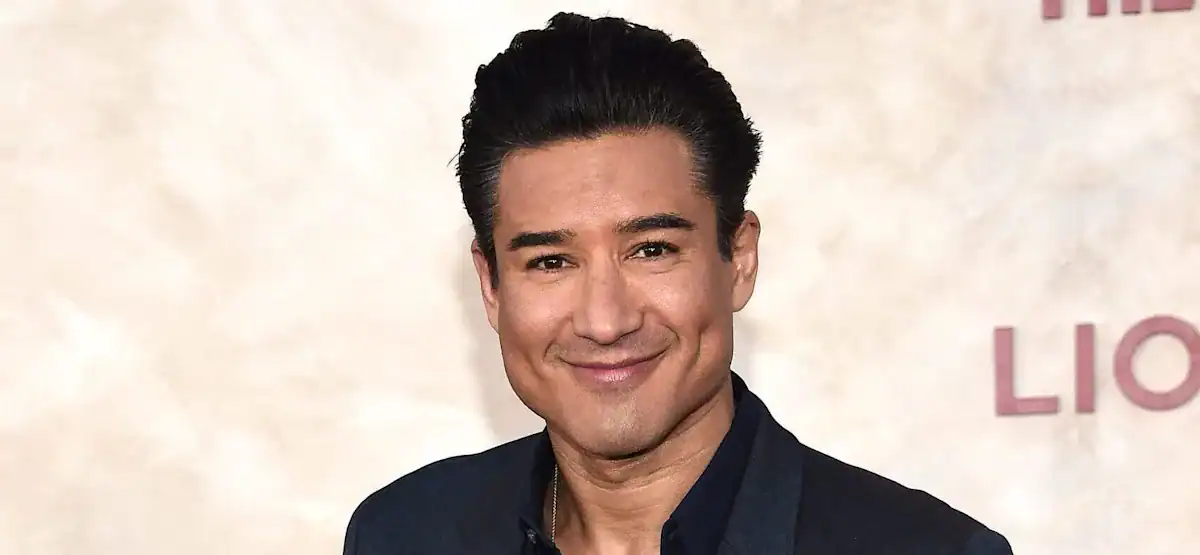
What Lies Ahead: A 2026 Settlement?
As we approach the end of the first quarter of 2026, rumors of a settlement have begun to circulate. With Access Hollywood winding down, both Lopez and NBCUniversal may be incentivized to resolve the matter quietly to avoid a public trial that would likely unearth more embarrassing internal communications. However, the plaintiff has remained firm, stating through her attorneys that she is seeking “total accountability” rather than just a check. This resolve mirrors the tenacity of voters in the Alabama county redistricting lawsuit, who have refused to settle for anything less than a fundamental change in how their rights are recognized.
Conclusion
The Mario Lopez defamation lawsuit is a landmark case for the “influencer era.” It highlights the immense power that traditional media personalities still wield and the catastrophic damage that can be done when that power is used irresponsibly. Whether the case ends in a $25 million verdict or a confidential settlement, the “hot mic” outbursts of 2026 will serve as a permanent warning to celebrities everywhere: in the digital age, the cameras are always on, and the law is finally catching up. We will continue to follow the court dockets in Los Angeles as the final chapters of this legal circus are written.
Leave a Reply