
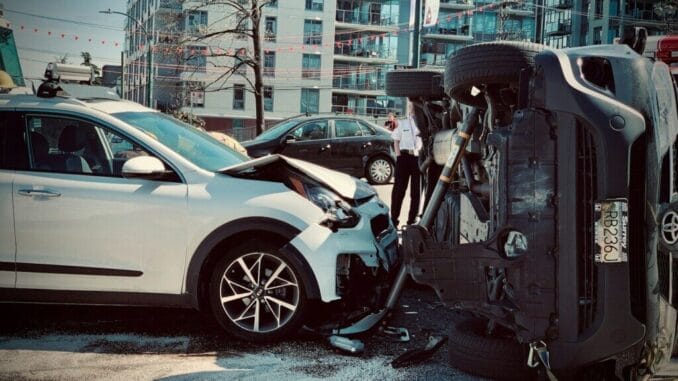

Colorado Springs sits at the base of the Front Range, where mountain weather, heavy tourist traffic, and a rapidly growing population combine to create real risks for everyday drivers. Car accidents remain a common occurrence throughout El Paso County, and understanding how Colorado law handles fault after a crash can make a significant difference in how a claim is ultimately resolved.
Car Accidents Are Common on Colorado Springs Roads
Interstate 25 runs directly through Colorado Springs, carrying heavy commuter and commercial traffic between Denver and Pueblo, while local roads like Academy Boulevard and Powers Boulevard see significant congestion during rush hour. According to the Colorado Department of Transportation, sudden mountain weather changes, including snow, ice, and high winds, contribute to a meaningful share of the region’s serious crashes, particularly during the fall and winter months.
Beyond weather, Colorado Springs’ rapid population growth over the past decade has added more vehicles to local roads, increasing the frequency of rear end collisions, intersection crashes, and accidents involving distracted or impaired driving throughout the metro area.
How Colorado Handles Fault in Car Accidents
Colorado is an at fault state, meaning the driver responsible for causing a crash is generally liable for the resulting damages, including medical bills, lost wages, and vehicle repair costs. Colorado follows a modified comparative negligence rule, allowing an injured driver to recover compensation as long as they are found less than fifty percent responsible for the accident, with their award reduced by their own percentage of fault.
“People often assume the insurance company will simply do the right thing once they see the police report,” explained an attorney who works as a Colorado Springs car accident lawyer at Heuser & Heuser. “In practice, adjusters are evaluating every claim with an eye toward minimizing what they pay out, which is why understanding your rights early on matters.”
According to the Colorado Division of Insurance, drivers in the state are required to carry minimum liability coverage, though many crashes involve damages that exceed what a minimum policy provides, leaving injured parties to pursue the difference through the at fault driver’s assets or their own underinsured motorist coverage.
What to Do Immediately After a Crash
Following a crash, checking for injuries and calling 911 should always come first, particularly given how quickly weather conditions can change in the Colorado Springs area and affect the safety of anyone standing outside a vehicle. Once safety is addressed, exchanging insurance and contact information, photographing the scene, and requesting a copy of the police report all help build a record that supports a future claim.
Drivers should also be cautious about giving a recorded statement to the other driver’s insurance company before understanding the full extent of their injuries, since symptoms from a car accident, including soft tissue injuries and concussions, do not always appear immediately after a crash occurs.
When Hiring an Attorney Makes Sense
Not every accident requires legal representation, but crashes involving significant injuries, disputed fault, or an insurance company that is slow to respond or offering an unreasonably low settlement often benefit from professional guidance. An attorney can handle communication with insurers, gather evidence such as traffic camera footage or witness statements, and calculate the true value of a claim, including long term medical needs that may not be apparent right after the accident occurs.
Colorado law also imposes a three year statute of limitations on most car accident claims, giving injured drivers a defined window to pursue compensation through a lawsuit if a fair settlement cannot be reached through negotiation with the insurance company.
For drivers throughout Colorado Springs, understanding the basics of how fault works under Colorado law, along with the practical steps to take immediately after a crash, provides a stronger foundation for protecting both immediate and long term interests following an accident on local roads.
Multi vehicle accidents are also common on Colorado Springs highways, particularly during sudden weather changes when visibility drops quickly on stretches of I-25 or the Powers corridor. These crashes can involve more than one potentially liable driver, which often complicates the claims process, since each insurance company involved may attempt to shift blame toward another party rather than accepting responsibility for their own policyholder’s role in the collision.
Uninsured and underinsured motorist coverage becomes especially important in these situations, since Colorado does not require drivers to carry particularly high liability limits, and a driver who causes serious harm may not have enough coverage to fully compensate an injured victim. Reviewing an existing auto policy for this type of coverage, ideally before an accident ever happens, can make a significant difference in what compensation is actually available afterward.
Seasonal tourism also affects the character of Colorado Springs area crashes, with visitors unfamiliar with mountain roads and sudden weather shifts sometimes contributing to accidents involving local drivers who know the area well. This mix of local and visiting traffic adds another layer of complexity to determining fault in some cases, particularly when unfamiliarity with road conditions plays a role in how a crash unfolded.
Leave a Reply