A New Lap for NASCAR: Landmark Settlement Grants Permanent Charters in 2026
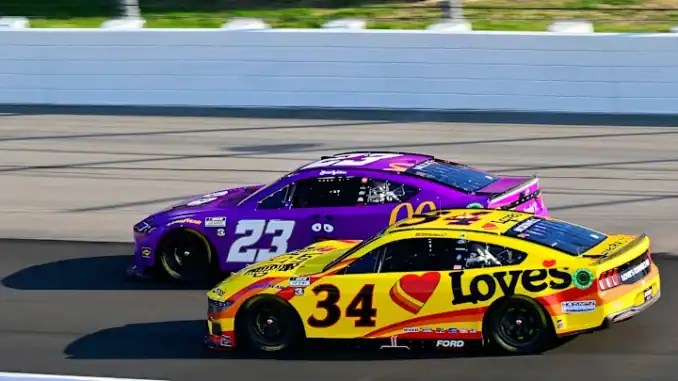
As of March 17, 2026, the garage area of the NASCAR Cup Series feels fundamentally different. The legal “dark cloud” that loomed over the sport for 15 months has finally dissipated following a monumental settlement reached in December 2025. The antitrust lawsuit filed by 23XI Racing—co-owned by Michael Jordan and Denny Hamlin—and Front Row Motorsports (FRM) against NASCAR Holdings did more than just settle a dispute; it rewrote the economic DNA of stock car racing. As the 2026 season enters its second month, the implementation of “Evergreen” charters is officially underway, providing teams with the permanent equity they have sought since the charter system’s inception in 2016. For the first time in history, a NASCAR charter is not a temporary lease, but a permanent asset, fundamentally shifting the sport toward the “stick-and-ball” franchise model seen in the NBA and NFL.
The Road to the December Settlement
The lawsuit, which went to trial on December 1, 2025, in the U.S. District Court for the Western District of North Carolina, was a high-stakes gamble for all involved. 23XI and FRM alleged that NASCAR, under the leadership of the France family, operated an illegal monopsony that “strong-armed” teams into lopsided contracts. After eight days of intense testimony—including a viral moment where Denny Hamlin described team owners as “professional fundraisers”—the parties reached a resolution on the ninth day of the trial. While financial terms remain confidential, industry experts estimate that NASCAR likely paid out between $36 million and $182 million in damages to avoid a potentially catastrophic jury verdict.
This push for financial transparency and fair dealing is a hallmark of current litigation. Much like the Amazon refund class action lawsuit, where consumers successfully challenged “hidden” automated systems, the 23XI lawsuit pulled back the curtain on NASCAR’s internal communications. Discovery revealed text messages from executives that shifted the leverage in favor of the teams, leading Judge Kenneth Bell to remark that “sometimes parties need to see how the case unfolds to see the wisdom of settlement.”
The “Evergreen” Charter: What It Means for 2026
The centerpiece of the 2026 agreement is the creation of “Evergreen” charters. Previously, charters were tied to the length of the media rights deal, meaning they could theoretically vanish every seven years. Under the new settlement, all 36 charters in the Cup Series are now permanent, subject only to performance and “conduct detrimental” clauses. This change allows owners like Michael Jordan and Bob Jenkins to build long-term value, making the teams significantly more attractive to private equity and major sponsors.
This shift toward permanent digital and physical rights is also at the heart of the Ripple SEC lawsuit status 2025, where the legal battle was about defining the permanent “status” of an asset in a shifting regulatory landscape. In both cases, the 2026 courts are moving toward models that provide long-term stability rather than short-term permissions. For NASCAR teams, this means the $40 million valuation of a charter is now backed by a permanent guarantee, rather than a temporary agreement.
Internal Linking and Corporate Leadership
The fallout from the lawsuit extended beyond the courtroom and into the executive suite. In early 2026, NASCAR announced the departure of Commissioner Steve Phelps, a move widely viewed as a “reset” to help mend the fractured relationship between the sanctioning body and its teams. This focus on “leadership accountability” is a recurring theme in the Fox News defamation lawsuit Gavin Newsom, where the litigation serves as a tool to challenge the core decision-making processes of a powerful institution. Both cases suggest that in 2026, even the most established leaders must answer for the “culture” they create.
The Five-Strike Rule and Team Revenue
As part of the settlement, NASCAR reinstated a revised version of the “three-strike rule,” now expanded to five strikes. This allows teams to collectively dispute NASCAR’s decisions if they believe the sanctioning body is acting in bad faith. Additionally, teams will now receive a direct one-third share of revenue generated from NASCAR’s intellectual property (IP). This move toward “equitable sharing” is similar to the goals of the Sixt class action lawsuit settlement, where the settlement sought to return funds to individuals who had been caught in a cycle of administrative overreach. By giving teams a piece of the IP pie, NASCAR has effectively made them partners rather than just contractors.
Privacy, Reputation, and Discovery
The trial was notable for the “ugly” evidence brought to light during discovery, including internal messages that disparaged other owners. This public exposure of private corporate attitudes has become a major legal risk in 2026. The Mario Lopez lawsuit 2025 highlights this same danger, showing how digital records and “hot mics” can be used to damage a reputation in an instant. For NASCAR, the settlement was a way to stop the bleeding of public trust and return the focus to the competition on the track.
Looking Ahead: The 2026 Season and Beyond
With the legal battle resolved, 23XI and Front Row Motorsports have had their charters fully restored for the 2026 season. Tyler Reddick’s victory in the 2026 Daytona 500 served as a symbolic “exclamation point” on the end of the lawsuit, proving that the off-track distraction did not dampen the competitive fire of the Jordan-owned team. This return to “normalcy” is a slow process, much like the AT&T class action lawsuit 2025, where the company had to rebuild its infrastructure and public image simultaneously after a major systemic failure.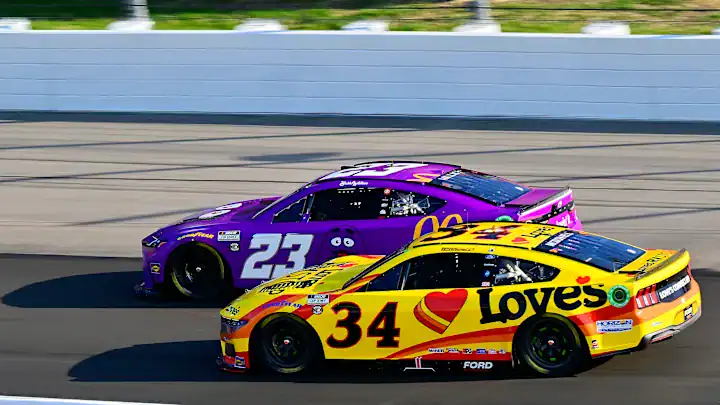
The “Fire Hose” Precedent
Judge Bell famously stated during the trial that he was “trying to figure out how big the fire hose should be” if he were to order a total restructuring of the sport. While the settlement prevented a “fire hose” of court-ordered changes, it provided a “steady stream” of evolution that most teams believe was necessary. This judicial pressure to evolve is also seen in the Wisconsin congressional redistricting lawsuit, where the courts are acting as the final arbiter when internal negotiations fail. In 2026, the “threat of the court” has become the most effective tool for forcing institutional change.
Conclusion
The 23XI and Front Row Motorsports lawsuit will be remembered as the moment NASCAR grew up. By challenging the status quo, Michael Jordan and Denny Hamlin forced a 78-year-old institution to embrace a more modern, equitable, and transparent business model. The 2026 “Evergreen” charters provide the foundation for a sport that can finally compete with the major leagues on an even financial playing field. As the engines roar at tracks across the country, the legacy of this lawsuit isn’t found in a legal document, but in the long-term stability of the teams and the renewed trust of the fans who make the sport possible.
Leave a Reply