

Examining the Legal Battle Over Reaction Content and Fair Use
The digital landscape has recently been rocked by a high-profile legal dispute involving the popular Twitch personality Kacey “Kaceytron” Caviness. In a case that has sent ripples through the streaming and content creation community, YouTuber Ethan Klein of H3H3 Productions filed a significant copyright infringement lawsuit against Kaceytron and several other prominent streamers. This legal action, docketed as Ted Entertainment, Inc. v. Caviness et al, centers on the controversial practice of “reaction content” and where the line is drawn between transformative commentary and intellectual property theft.
The Genesis of the Dispute: The “Content Nuke” Trap
The conflict began when Ethan Klein released a long-form video titled “Content Nuke: Hasan Piker,” aimed at exposing various controversies surrounding another major political streamer. According to legal filings, Klein intentionally designed the video to serve as a “trap” for streamers he suspected would rebroadcast his work without adding significant value. Klein alleged that Kaceytron, alongside creators like Denims and Frogan, streamed large segments of the video to their respective audiences with minimal commentary.
From a legal standpoint, the core of the Kaceytron lawsuit revolves around the concept of “low-effort” reaction content. The plaintiff argued that the defendants were essentially using the H3H3 video as a substitute for the original work, thereby siphoning off potential ad revenue and views from the copyright holder. In the complaint, Kaceytron’s specific reaction was described as being “devoid of critical commentary,” noting that long portions of the video were played without any meaningful interruption or insight. This aggressive approach to intellectual property enforcement mirrors other major corporate legal battles, such as the USAA patent infringement lawsuit, where the definition of “original innovation” is a central point of contention.
Legal Arguments: Fair Use vs. Copyright Infringement
The primary defense in cases like these is typically the “Fair Use” doctrine. Under 17 U.S.C. § 107, certain uses of copyrighted material are permitted for purposes such as criticism, comment, news reporting, teaching, scholarship, or research. For Kaceytron’s content to qualify as fair use, it would need to be “transformative”—meaning it must add something new, with a further purpose or different character, rather than just replacing the original.
In the Kaceytron lawsuit, the court was asked to evaluate four key factors:
- The purpose and character of the use (commercial vs. educational).
- The nature of the copyrighted work.
- The amount and substantiality of the portion used in relation to the copyrighted work as a whole.
- The effect of the use upon the potential market for or value of the copyrighted work.
The Settlement and Kaceytron’s Public Apology
As the legal battle intensified throughout late 2025, the financial and emotional toll on the defendants became a public talking point. Legal analysts pointed out that the costs of discovery and trial could easily exceed $300,000, a sum that threatened to bankrupt the streamers involved. By December 2025, court documents revealed that Kaceytron had reached a settlement agreement with Ethan Klein’s production company, Ted Entertainment, Inc. This resolution highlights the risks involved when individual creators clash with well-funded entities, a dynamic also seen in the Koteiba Azzam State Farm lawsuit, where policyholders face uphill battles against insurance giants.
Following the settlement, the case against Kaceytron was dismissed. In early 2026, the situation took a surprising turn when Kaceytron released a formal apology on social media. She admitted that her initial public framing of the lawsuit—calling it “frivolous” or “misogynistic”—was a tactical move to gain sympathy and protect her brand. She acknowledged that the legal process had given her a much deeper understanding of copyright law and the importance of respecting original creators’ rights. Just as the Gmail lawsuit 2025 forced a reckoning over user data, this case has forced a reckoning over creative ethics.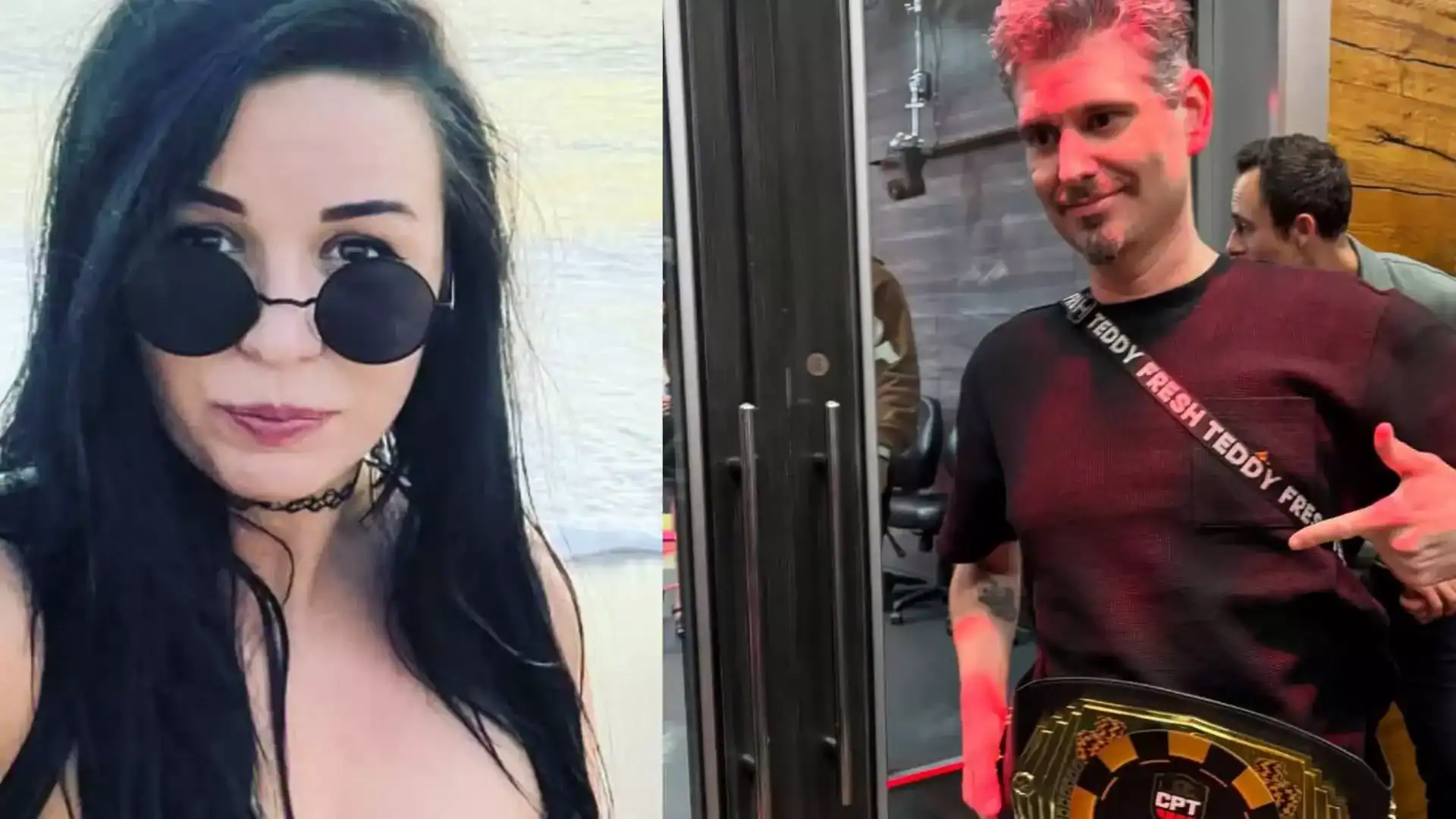
Broader Implications for the Streaming Industry
The resolution of the Kaceytron lawsuit serves as a landmark moment for the creator economy. It signals a shift in how “reaction” culture is policed on platforms like Twitch and YouTube. While Ethan Klein was once a champion of fair use (winning a major case in 2017), this lawsuit shows his willingness to enforce strict boundaries against what he perceives as parasitic content.
For content creators, the takeaway is clear: simply reacting to a video in real-time may no longer be enough to provide legal protection. To stay “Google-friendly” and “AdSense-friendly,” creators must ensure their commentary is substantial, transformative, and does not act as a market substitute for the original content. This case highlights the necessity for digital content strategists to understand the nuances of intellectual property to avoid costly litigation.
Conclusion: Moving Forward After the Kaceytron Lawsuit
While the Kaceytron lawsuit ended in a settlement and mutual forgiveness between the parties, the legal precedents discussed during the proceedings will likely influence future cases. As platforms continue to evolve, the balance between creative freedom and copyright protection remains a delicate one.
Leave a Reply